

Why do I feel pain during sex?
Dyspareunia (pain during sexual intercourse) – symptoms, causes & treatment
Almost a third of young girls and half of adult women have experienced pain or discomfort during sex at some point – in most cases triggered by inflammation in the vagina or vulva.
If you feel pain during or after sex, your body may be trying to tell you that something isn't right – don't ignore it. It's high time we talked about dyspareunia.
Is pain during sexual intercourse normal?
Many women experience a certain degree of discomfort or pain during intercourse. As long as it isn't intense enough to affect the quality of your sex life or bring intercourse to a halt, and as long as the pain only occurs occasionally and isn't accompanied by other symptoms, there's no cause for concern. If, however, the pain is severe, recurrent and accompanied by other symptoms, you should see your gynaecologist.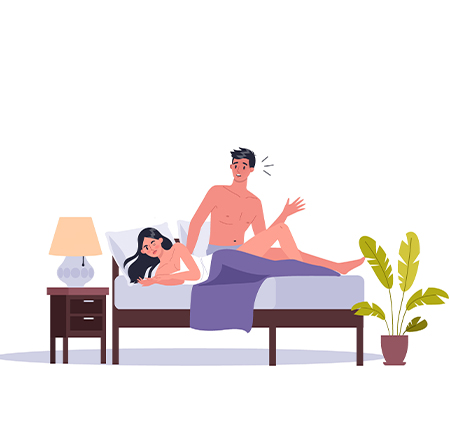
The medical term for painful intercourse in women is dyspareunia. It is defined as persistent or recurrent genital pain that occurs just before, during or after sex. It's a common complaint that can also have emotional and psychological consequences. Alongside the physical pain, it can lead to a loss of intimacy or create tension in a relationship.
The good news: the causes of these symptoms can be treated.
Dyspareunia – symptoms
There are two forms of dyspareunia:
- superficial, when the pain occurs at the vaginal opening or within the vagina itself (affecting the vulva and vaginal entrance);
- deep (or abdominal), when the woman feels the pain in the lower abdomen.
If intercourse is painful for you, you may experience the following:
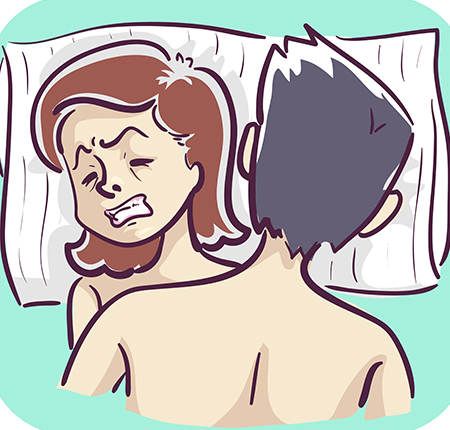
- Pain only on penetration
- Pain with every penetration, including when inserting a tampon
- Deep pain on thrusting
- Burning or aching pain
- Throbbing pain that lingers for hours after intercourse
- A burning sensation
- Vaginal dryness
- Vaginal bleeding during or immediately after intercourse
- Abdominal cramps
Pain during intercourse – causes
Pain during sex can have physical or emotional causes – and sometimes the two are intertwined. A physical problem that isn't treated promptly can, for instance, trigger a fear of intercourse. This makes it harder to relax and leads to additional tension in the vaginal muscles.
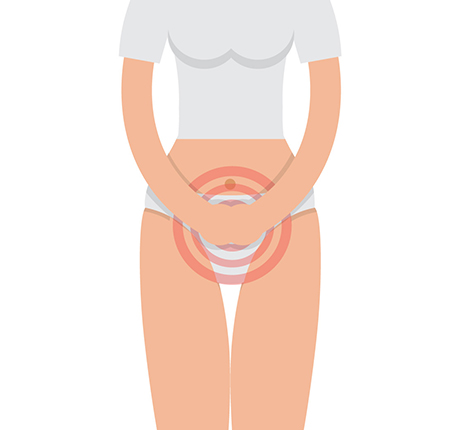
Physical causes include:
- Insufficient lubrication – this can occur when foreplay is too brief, during breastfeeding or the menopause when oestrogen levels are low, or when taking oral contraceptives, antidepressants, sedatives, blood pressure medication or antihistamines.
- Injuries or trauma to the vagina – for example following an accident, pelvic surgery or an episiotomy during childbirth.
- Inflammation or infection of the vagina – caused by bacteria or fungi, which can lead to vaginal irritation.
- Vaginismus – the involuntary contraction of the vaginal muscles, which causes burning and pain when attempting intercourse. Unfortunately, we have no control over the mechanism that triggers it.
- Vulvodynia – pain in the vulval area caused by weakness of the pelvic floor muscles, hypersensitivity to the vaginal flora, or impairment of the vulval muscles due to an increased number of sensory nerves supplying the vulval region
Psychosexual issues can also affect intercourse and trigger pain:
- trauma following sexual abuse
- unpleasant first sexual experiences
- personality changes
- depression
- anxiety, shame, guilt
- fear of a possible pregnancy
- religious upbringing
- lack of adequate sex education
Superficial dyspareunia – pain on penetration
Pain on initial penetration can be linked to a range of factors, including:
- Too little moisture – often the result of foreplay being too brief. A drop in oestrogen levels after the menopause, after childbirth or during breastfeeding can also be a cause.
- Certain medications can affect sexual desire or arousal – they can reduce natural lubrication, which can make sex painful. These include antidepressants, blood pressure medication, sedatives, antihistamines and certain contraceptive pills.
- Injury, trauma or irritation – this includes injury or irritation following an accident, pelvic surgery, female genital mutilation, or an episiotomy to widen the birth canal.
- Inflammation, infection or a skin condition – an infection in the genital area or urinary tract can cause pain during sex. Eczema or other skin problems in the genital area may also be behind it.
- Vaginismus – these involuntary spasms of the vaginal wall muscles can make penetration painful.
- A congenital abnormality – an incompletely formed vagina (vaginal agenesis) or a membrane blocking the vaginal opening (imperforate hymen) can cause dyspareunia.
Deep dyspareunia – pain on deep penetration
Deep pain typically occurs with deep penetration. The pain may be more intense in certain positions. Causes include:
- Certain illnesses and conditions.
These include endometriosis, pelvic inflammatory disease, uterine prolapse, a retroverted uterus, fibroids, cystitis, irritable bowel syndrome, pelvic floor dysfunction, adenomyosis, haemorrhoids and ovarian cysts.
- Surgery or medical treatments.
Scarring following pelvic surgery, including a hysterectomy, can make intercourse painful. Cancer treatments such as radiotherapy and chemotherapy can cause changes that make sex painful.
Emotional factors in pain during sex
Emotions have a significant influence on sexuality and can therefore play a part in sexual pain. Emotional factors include:
- Mental health problems – anxiety, depression, concerns about your appearance, fear of intimacy or relationship difficulties can all contribute to low arousal and the resulting discomfort or pain.
- Stress – the pelvic floor muscles tend to tighten in response to stress. This can contribute to pain during intercourse.
- Experiences of sexual abuse – not everyone with dyspareunia has experienced abuse, but if you have been abused, it can affect later sexual experiences.
Dyspareunia in men
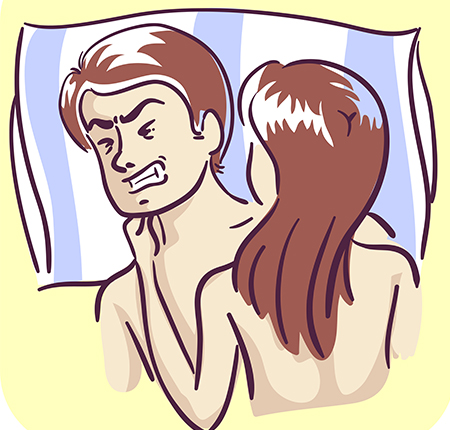
Just like women, men can also experience pain when there isn't enough vaginal moisture during sex. A lubricant can help here. In men, painful sex can also be caused by certain conditions affecting the penis:
- Injuries to the foreskin: damage to the foreskin (the skin covering the glans) through friction or tearing can cause pain.
- Sexually transmitted infections (STIs): fungal infections or infections under the foreskin, as well as common STIs such as genital herpes or gonorrhoea, can make sex painful.
- Curvature of the penis: Peyronie's disease or other penile deformities can make intercourse painful.
- Painful erections: a condition such as priapism can cause persistent and painful erections.
Dyspareunia – when should you see a doctor?
If you repeatedly experience pain during sex, it's time to speak to your gynaecologist. Addressing the problem will do wonders for your sex life, your emotional intimacy and your self-image.
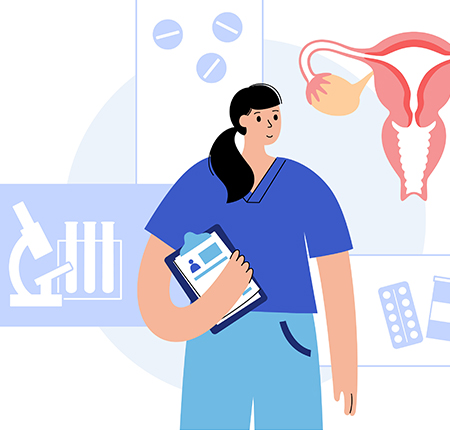
Talk openly with your doctor about any pain during intercourse – this makes it easier to find the cause and choose the right treatment. Some questions you might be asked include:
- When did the pain start?
- Where does the pain occur – describe the painful area as precisely as possible: at the vaginal opening or deeper inside?
- Does the pain change depending on the position?
- How severe is the pain on a scale of 0 to 10?
- How often does the pain occur?
- Does the pain go away on its own, or do you need anti-inflammatories?
- How long has intercourse been painful for you?
- What medications are you taking?
- Have you had surgery in this area?
- Have you previously been treated for a vaginal condition?
- Does your partner know about this problem? Is he willing to support you?
- Are there any other factors that might be contributing to your pain? For example, a stressful period or a time when you've been feeling low?
How is dyspareunia correctly diagnosed?
The next step is an examination in the gynaecological chair to look for signs of vaginal dryness, unusual discharge, inflammation, anatomical variations, scarring or lesions suggestive of endometriosis. During the examination, a vaginal swab and a smear test may be taken.
A transvaginal ultrasound shows what's happening inside the pelvis: whether there are ovarian cysts, fibroids, signs of inflammation or indications of endometriosis. In the rare cases where the ultrasound isn't conclusive enough, imaging in the form of a pelvic MRI may be ordered.
Psychological counselling may also be necessary to identify any emotional causes. It complements the diagnostic process.
Dyspareunia – treating vaginal pain
Sexual dysfunction is treatable. The therapy depends on the cause of the pain. Your doctor may recommend different treatments depending on the cause – which is why the gynaecological examination and a clear diagnosis are so important.
Medical treatment
A vaginal infection is probably the easiest to treat, as numerous antibiotics and antifungals are available – for both oral and vaginal use. In some cases, the partner also needs to be treated. Pelvic inflammatory disease likewise requires antibiotic therapy.
Surgical treatment
Pelvic conditions such as endometriosis, ovarian cysts, fibroids or disorders of the fallopian tubes often require surgery. The good news: the procedure can be carried out laparoscopically, i.e. minimally invasively – with a quick recovery and a short hospital stay.
Vaginal exercises
Good to know: there are techniques and exercises that help reduce pelvic tension. Muscle treatment includes:
- Stretching exercises for the levator ani muscle
- Electrical stimulation techniques with biofeedback
- Kegel exercises, which we've discussed in detail right here – perhaps the most effective way to strengthen your pelvic muscles. These exercises will also help you manage the pain better.
Psychological counselling
If no physical cause can be found, cognitive behavioural therapy, couples therapy, relaxation techniques or methods for reducing anxiety are recommended. All of these therapies can show you how to rebuild your intimate life and improve communication with your partner.
Are there any helpful natural remedies for dyspareunia?
Before trying any treatment, it's best to see your gynaecologist. If you decide to go it alone, there's a risk that the symptoms will get worse. That said, we do have a few tips that may help.
- Use a water- or silicone-based lubricant for vaginal dryness.
- Try sexual practices or positions that don't cause you pain.
- If needed, take an over-the-counter painkiller before sex.
- Take time to relax before sex.
- Apply cold packs to the vulva after intercourse.
- Avoid intimate sprays, bubble baths and perfumed hygiene products.
Frequently asked questions
If we haven't answered your questions so far, here are some common questions and the answers you need.
Can dyspareunia cause vaginal bleeding?
Dyspareunia doesn't necessarily lead to bleeding. Any bleeding that occurs during intercourse is likely due to the underlying condition. So the bleeding could be caused by the same problem that's causing the painful sex.
And since the first step towards good health lies in the choices you make: organic pads and tampons like those from ENROUSH, made from 100% organic cotton, are kind to you and to the planet. You'll help prevent irritation and potential allergies, and feel secure all day long.
How long does recovery from dyspareunia take?
Recovery time for dyspareunia depends on the cause of the pain during intercourse. The good news: improvement is possible. Whether it's medication, counselling, surgery or using a lubricant, your gynaecologist will find a treatment that works for you.
Can pain during sex be prevented?
Generally, there's little you can do to reduce the risk of dyspareunia – often it's simply out of our hands. You can, however, choose safe, protected sex and good intimate hygiene.

Medium, super or extra absorption

Low, medium or super absorption

Low or medium absorption


and happily breaking taboos!


