

Intimate Lubricants – What Is Lubricant Gel Used For?
Yes, sex can sometimes be painful. And you're far from alone: millions of women (up to 75%, according to the statistics) experience discomfort during sex at some point. When stress, vaginal dryness or a lack of natural moisture get in the way and intimacy becomes uncomfortable, a lubricant can offer exactly the support you need for more pleasure and ease.
But there's a side to the story that's rarely discussed: not all lubricants are created equal. Not all of them look after your body the way you'd expect. Recent studies show that many lubricants on the market may contain questionable chemicals – such as parabens, flavourings and undeclared fragrances – which can dry out and irritate vaginal tissue over time. Do you read the label before buying a lubricant? Here's everything you need to know to make the right choice.
What is an intimate lubricant?
An intimate lubricant is a liquid or gel-like substance whose main purpose is to reduce dryness and painful friction during intercourse.
Without friction, the risk of irritation, pain and tiny vaginal tears drops – as does the chance of a condom splitting. And pleasure becomes more intense.
Natural lubrication vs. artificial lubricants
The human body has its own system for natural lubrication, which usually kicks in with arousal and ensures comfort during intimate moments. Its job: to moisten and protect vaginal tissue, prevent friction and irritation, and heighten pleasure, all while maintaining the natural balance of the intimate area.
As natural as this lubrication is, it's equally natural for it to become less abundant – or disappear altogether – at certain stages of life. During a stressful period, for instance. Or after childbirth, during the menopause, and with other physical changes.
Just as natural moisture doesn't always mean you're aroused, its absence doesn't automatically mean desire is missing. Your body follows its own rhythm – and desire can absolutely be there even when natural moisture isn't. In situations like these, you simply need a little support.
Artificial lubricants essentially mimic natural lubrication, so that intimate moments feel as effortless and pleasurable as they should. Depending on the formulation, they give you the backup you need to enjoy intimacy at any stage of life, without worries or discomfort.
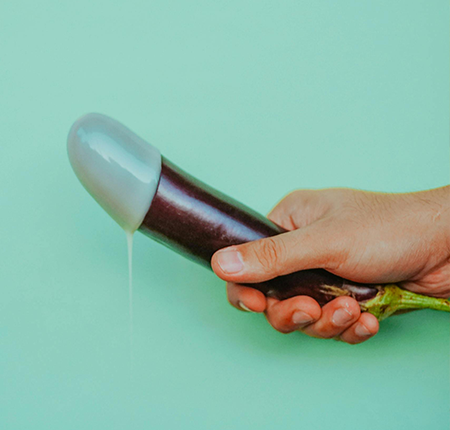
Types of lubricant
Depending on the formulation, there are lubricants for every kind of sex – including masturbation or use with sex toys.
Here's a look at the types of lubricant available according to their base ingredients, and how to pick the right one for how you plan to use it.
Water-based lubricant
Water-based lubricants, as the name suggests, have water as their main ingredient.
They behave and feel the most like natural vaginal moisture, whose main component is also water. They typically relieve discomfort and dryness quickly, can have a moisturising effect, and are compatible with condoms (always check the packaging to be sure, though).
Silicone-based lubricant
Silicone-based lubricants contain silicone as their main ingredient. It isn't absorbed by the body and, unlike water, can't hydrate vaginal tissue.
They form a kind of film that seals in and retains moisture, but which can also trap bacteria or dirt particles. Thorough cleansing after use is usually necessary to keep skin clean and healthy.
The upside: they offer particularly long-lasting glide – longer than water-based products. You can use them with latex condoms.
Oil-based lubricant
Oil-based lubricants, made with essential or plant oils such as coconut, almond or shea butter, offer the longest-lasting glide.
Because of their composition, they're generally not compatible with condoms, but their water resistance can make them the perfect choice for sex in the shower.
Specialist lubricants: warming, cooling or flavoured
Specialist lubricants are usually water- or silicone-based, but also contain small amounts of mildly irritant substances such as menthol, capsicum or eucalyptus. These stimulate the nerve endings in the skin and mucous membranes, triggering sensations of varying intensity that the body perceives as cold, warmth, massage, or even vibration and an electrifying tingle.
There are also lubricants in various flavours (fruit, chocolate, menthol), used mainly for oral sex.
With a lubricant that has a special effect, it's especially important to read the label carefully so you can avoid strongly irritant substances and genuinely enjoy the experience.
What is lubricant used for?
You can use lubricant both during sex with a partner and in solo intimate moments. Its purpose is to reduce friction and prevent irritation when natural moisture isn't sufficient – turning your sexual experiences into moments of pleasure without discomfort.
Relieving vaginal dryness
Vaginal dryness is one of the most common reasons women reach for an intimate lubricant.
The dryness may be occasional – brought on by stress, hormonal changes or certain medical treatments – or chronic, due to the menopause or a gynaecological condition such as vaginal atrophy. If you frequently experience vaginal dryness, speak to your doctor to identify the cause and work out a solution.
In these situations, lubricant helps to temporarily moisten the intimate area, easing the discomfort and irritation that can arise when moisture is lacking.
Greater comfort during intercourse
Lubricant reduces friction and makes everything glide more easily – which automatically means more comfort during sex and the chance to enjoy exploring new techniques and sex positions.
In a CHSP study of 2,453 women, over 70% of participants reported that their intimate moments were noticeably more pleasurable and comfortable with lubricant.
More intense sexual pleasure
Both specialist warming or cooling lubricants and natural varieties can heighten pleasurable sensations. Because they reduce discomfort, they allow for gentler penetration and a stronger connection between partners.
Compatibility with condoms
If you use condoms, it's very important to choose a compatible lubricant. Always read the label – both the lubricant's and the condoms' – to be sure the two can be used together.
Oil-based lubricants, for example, must not be used with condoms, as they can damage the material. Water- and silicone-based lubricants are generally compatible with latex condoms.
Compatibility with sex toys
As with condoms, it's important to use compatible lubricants so your sex toy isn't damaged. As a rule, water-based products work with most materials.
Silicone-based lubricants, on the other hand, aren't suitable for silicone toys, as they can degrade the material.
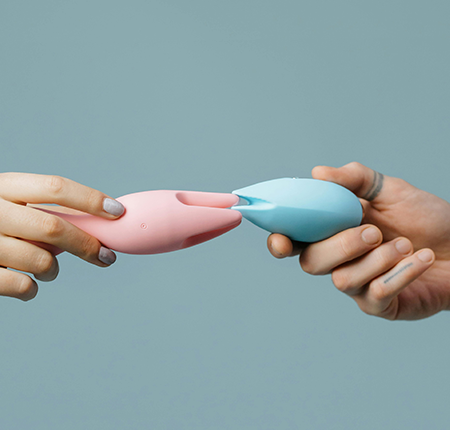
How to find the right lubricant for you
If you've only ever chosen your lubricant based on flavour, price and packaging design, there are far more important criteria to consider – not least where your health is concerned. Here's what to look out for to find the right lubricant:
Choose according to the type of sexual activity
Each type of lubricant may be ideal for certain activities but completely unsuitable for others. Always consider what you're planning, where – and whether you'll be using condoms or toys.
Don't choose an oil-based lubricant if you want protected sex. And don't choose a water-based one if you're planning sex in the shower. Pay attention to compatibility so that the lubricant you choose doesn't spoil your experience.
Read the label: ingredients and allergens
Recent studies show that manufacturers quite often put too little effort into developing lubricants that are genuinely safe and healthy for vaginal tissue.
Many lubricants on the market may contain parabens, fragrances, hidden flavourings and other questionable substances that can irritate the vaginal lining over time and lead to dryness and discomfort. That's why it's important to always read the label and avoid overloaded, irritating formulas.
Opt for lubricants with simple, natural, skin-friendly ingredients that come as close as possible to natural lubrication. That way you protect not only your enjoyment in intimate moments, but also your long-term health.
How to use lubricant correctly
As important as it is to check the ingredients and choose a suitable lubricant, using it correctly matters just as much. Even a seemingly ideal product can have unpleasant effects if used the wrong way.
Follow these recommendations so your experience is a genuinely pleasant one:
- Do a patch test first by applying a small amount to your hand or arm to check that the formula suits your skin.
- Apply the lubricant before sexual contact, for easy, comfortable glide.
- Avoid lubricants with irritant ingredients, including warming or cooling ones – especially if you have sensitive skin.
- Store the lubricant properly, following the instructions on the packaging, so the formula doesn't spoil.
Why you should choose lubricants with natural ingredients
Lubricants with natural ingredients are generally gentler on sensitive skin and, thanks to their pure formulation free from irritant chemicals, lower the risk of allergic reactions. They also protect the balance of your vaginal flora, because they don't contain questionable substances such as synthetic fragrances and parabens.
In short: natural products are worth choosing because they give your body the gentle protection and comfort you need.
What's important to remember, though, is that 'natural' doesn't automatically mean 'risk-free'. Natural ingredients can occasionally trigger allergic reactions too, particularly on sensitive skin. Your best bet is therefore a dermatologically tested lubricant free from irritant ingredients.
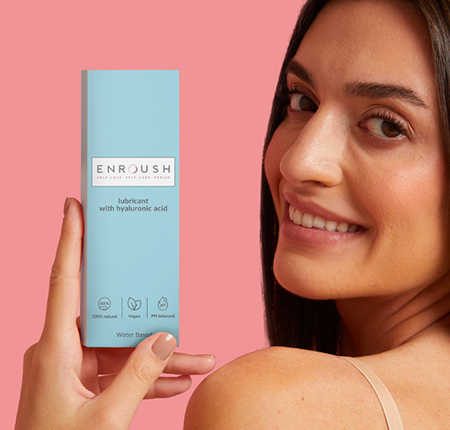
Enroush lubricant with hyaluronic acid
Did you know that natural lubrication consists mainly of water and various acids – such as lactic acid, which keeps intimate pH in balance? Enroush lubricant mimics natural vaginal moisture beautifully: a 100% natural, water-based formula enriched with lactic acid and deeply hydrating hyaluronic acid.
Thanks to the glycerin it contains, our lubricant helps reduce friction and prevent micro-tears – for a silky glide with no feeling of dryness. It's also free from parabens, sulphates and fragrances, and dermatologically tested. So you can forget any worry about irritation and enjoy every intimate moment without discomfort and without compromise.
Frequently asked questions about lubricant
Intimate lubricants can raise plenty of questions – and that's completely normal, especially if you're using one for the first time or have never looked into them in detail. It's important to have all the answers and understand exactly how to make the right choice for you and your wellbeing in intimate moments. So here we answer the most common questions about using them:
Does lubricant affect how well a condom works?
You can use lubricant with condoms with complete peace of mind – as long as you check compatibility. Water- and silicone-based lubricants are generally safe with latex condoms and won't damage them. Do avoid oil-based lubricants, however, as these can degrade latex and increase the risk of the condom splitting.
Is it safe to use lubricant during pregnancy?
Most water- or silicone-based lubricants are safe during pregnancy. It's best to choose natural products without fragrances or irritant substances. If you have any questions, always speak to your doctor before deciding.
Can lubricant cause infections or irritation?
If you choose your lubricant carefully and go for one with 100% natural ingredients – like Enroush's, with no harsh additives or questionable chemicals – it shouldn't trigger allergic reactions.
That said, some ingredients can cause irritation if you have sensitive skin or particular allergies. So always test the product on a small patch of skin first, and stop using it if any signs of inflammation appear.
Does lubricant help with painful intercourse?
Yes – if the pain is caused by vaginal dryness or a lack of moisture, lubricant can reduce the friction and irritation behind the discomfort. Statistics show that over 70% of women find intimate moments noticeably more pleasurable with lubricant.
If the pain persists, however, it may point to a more serious condition. Painful sex isn't normal – speak to a doctor as soon as you can to find out the cause.
Can lubricant be used for masturbation?
Of course! The job of lubricant is to reduce discomfort and heighten your pleasure – with a partner and in solo moments alike.
What should you do if the lubricant stings or causes discomfort?
Stop using it immediately if an allergic reaction occurs, rinse the area thoroughly with lukewarm water and avoid any further irritant products. If the symptoms persist, consult a doctor.
Image source: Pexels.com

Medium, super or extra absorption

Low, medium or super absorption

Low or medium absorption


and happily breaking taboos!


